
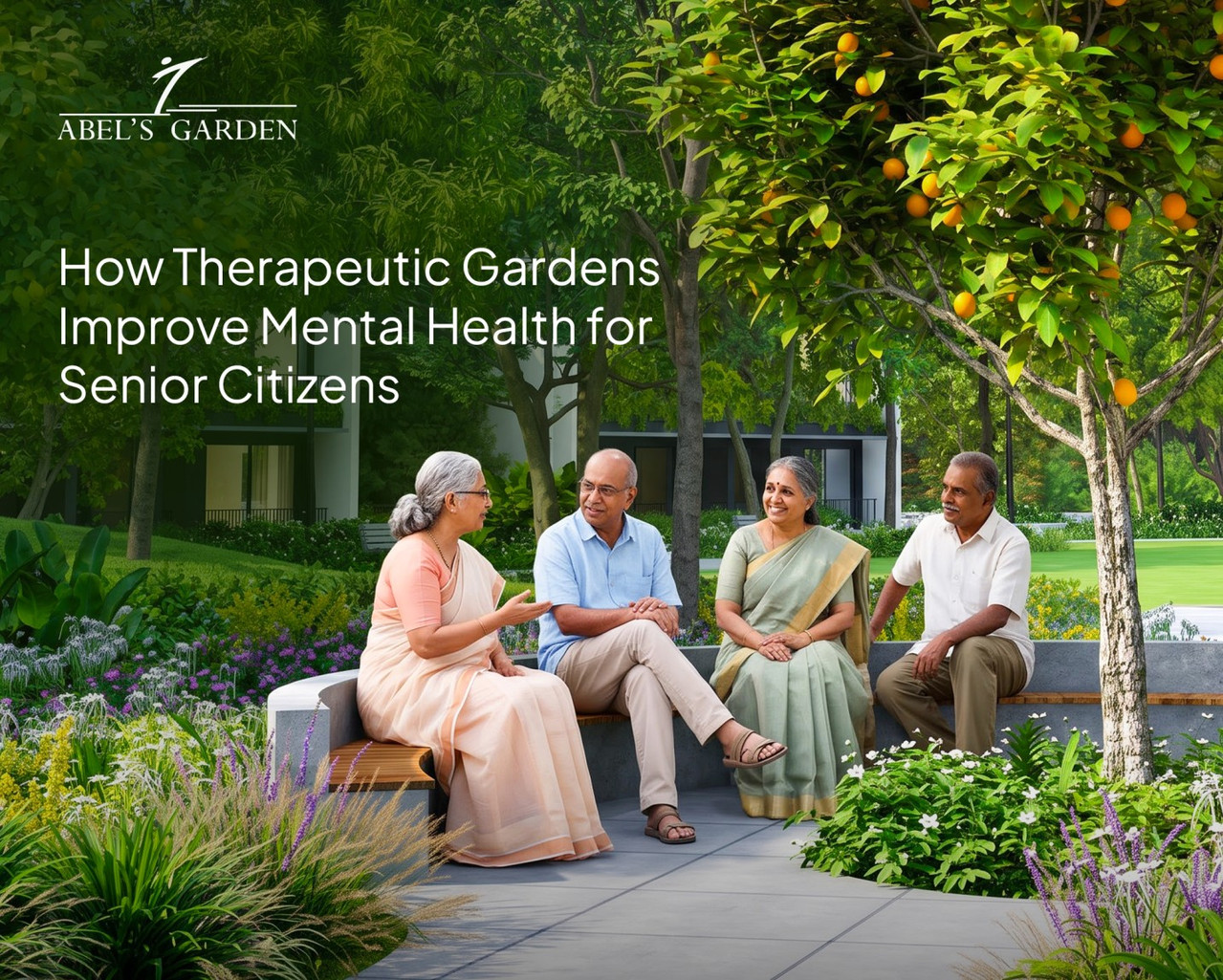
Some of the most cherished moments from childhood include being in a garden. That could mean helping one’s parents with watering the flowering plants, climbing a fruit tree in the garden to pick mangoes, or just being outside with the neighbors during a lovely summer night. All these common moments can accompany people through the years.
As individuals grow older, being near nature gives them the opportunity to recall some experiences from the past. Strolling in the morning, gardening, or even sitting back on the porch just looking at some birds can break the daily routine.
This is one of the reasons why therapeutic gardens should be considered in terms of eldercare. They enable the elders to spend time in nature, work in the garden, and interact with others without having to be involved in any organized activity.
What Is a Therapeutic Garden?
A regular garden is concerned more with aesthetics. On the other hand, a healing garden caters to the user.
People with knee pain can benefit from raised garden beds, which will require minimal bending. A person with a cane will appreciate paved walkways and resting places. Others only wish to find a tranquil spot for reading a book.
How It Differs from an Ordinary Garden
An ordinary garden may focus mainly on appearance. A therapeutic garden considers the people who will use it.
Individuals who suffer from knee discomfort may find a raised garden bed to be beneficial and may require little bending. A resident who uses a cane may want to have some paved walking surfaces and places to take a break. Others may want just a peaceful area in which to read a book.
Different Kinds of Therapeutic Gardens
Therapeutic gardens offer secluded spots for reading, relaxing, and soaking up the natural surroundings.
Enabling gardens create opportunities for planting and watering even for people who can struggle with moving around.
Sensory gardens thrive with aromatic flowers, colorful plant life, and sounds of natural life.
Varieties of gardens can combine in one garden, ensuring the elderly can spend time outside depending on their needs.
How Nature Affects the Senior Mind
When one reaches retirement, his/her daily life goes through changes. He/She no longer has to leave his/her house for work and may have family members residing in various parts of the country. Due to not having a lot of activities to participate in, their social groups can get smaller too.
Having a garden at home gives the retired person a reason to go outside. There is a flower to admire, a familiar path to follow, or a neighbour to talk to, so the person doesn’t spend every day in isolation.
What Does Research Say About Green Spaces?
From the studies, it is shown that being in nature helps in reducing stress and improving emotional well-being. One of the studies shows that older adults can benefit from horticultural therapy too.
Gardening gives people a chance to keep themselves busy without it being a hard task to do. Activities such as checking the soil, getting rid of the dry leaves, or watering a plant can bring some distraction from their day-to-day problems.
Importance of green spaces for elderly people in India
In the past the majority of the elderly people in India have had homes with courtyards or kitchens gardens and plants near their house.
For them, greenery is often connected to familiar experiences.
In Kerala, the smell of wet soil after rain or the sight of jasmine in bloom can bring back memories of home. Moving into a retirement community does not have to mean losing that connection.
Four Mental Health Benefits of Therapeutic Gardens
An Escape from Daily Stress
Issues related to health, relatives, and aging can really trouble a person’s mind. Spending some time in the open air is an easy way of escaping from worries.
A person might see how trees drop their leaves or take a quick walk before eating breakfast. These little moments cannot solve the problem of worries, but at least they help relieve the burden of the day.
Activity for the Brain
Gardening implies observation, concentration, and recalling small tasks. A person can check if a plant has enough water, spot a new leaf, or decide where to put a pot.
Moreover, familiar plants remind people of their childhood homes and family traditions. Gardening will not protect from cognitive weakening but will keep a person mentally stimulated.
A Sense of Anticipation
Upon retiring, there is the danger of a void because routine obligations are no longer present. Taking care of plants is an easy way to create a new routine.
Residents who take care of plants may water them every day or wait for a flower to blossom over the course of several days. The satisfaction from seeing the results of their care is significant.
Establishing New Relationships
Making new friends is not an easy process. Meeting in a shared garden makes conversation easier.
Sharing advice about plant care, engaging in discussion about flowers or even watching birds together can gradually lead to the development of meaningful relationships.
Physical Benefits That Support Mental Health
Walking through gardens as well as watering plants and caring for raised beds gives the possibility to move around in a soft way. Depending on one’s capabilities, these activities help individuals improve their mobility and coordination.
It is important to mention that natural light has a significant impact on the activity of individuals. Being surrounded by light during the day helps people follow their sleep and activity cycling.
Gardens can be considered as sensory places. One can enjoy different smells of jasmine, listen to birds singing, and feel leaves – things that cannot be experienced indoors.
What Should a Senior Living Garden Include?
The garden ought to be functional as well as pleasing to the eye.
- Pathways: Ensuring that the pathways are even, well-lit and lined with benches offers a comfortable walking experience.
- Shady spots and seating: There should be trees or covering and shaded spots where one can relax during the summer months.
- Raised flower beds: The raised flower beds would be helpful for gardening for people who have difficulty in bending low.
- Bird friendly plants: Putting in local plants that invite birds is an advantage as they can provide a visual treat.
- Space for different interests: Some people would want to garden with others while some would prefer isolation.
In Kerala this is also essential because of the heavy rains, good drainage and shaded seating options.
The goal is to create a garden residents can actually use, rather than one they simply admire from a distance.
How Abel’s Garden Brings Green Living into Retirement
Abel’s Garden is located in Thodupuzha, Kerala, where it offers a retirement environment that allows for continuing with various interests and interacting with one another.
Residents have opportunities to enjoy the beauty of nature. One can do wellness walking or yoga, which gives a unique opportunity to spend time in the open air.
For a person who gets used to retirement, it will make a huge difference if they have a morning routine. They can go for a walk, meet with a neighbor, or just enjoy being outdoors before the day starts.
A garden is only good if it becomes a part of one’s everyday life. The residents should feel welcomed there, whether they prefer to be with others or spend some time alone.
Learn more about life at Abel’s Garden and its approach to retirement living.
Conclusion
As people age, they need not abandon the free pleasures, which bring joy into their lives.
Gardens have a lot to offer: the potential of movement, something to look after and the chance to spend time along with others. They may also assist residents to recall the past or make some new discoveries.
While looking for a retirement community, families should take into account the availability of green spaces as well as necessary accommodation, assistance and services. What really matters is whether it is easy for residents to reach and use these green areas.
Sometimes, a good day does not require more than fresh air, a friendly face and a secluded place to enjoy the trees.
Share :