
Once you’re past 60, life often changes your priorities. Your work takes a back seat; children have grown up and are living their own lives. You have a lot of free time, but you wonder: What do I do with all this time on my hands?
After decades of work, family responsibilities, and daily routines, finding a new sense of purpose can be daunting. Hobbies and creative pursuits might provide that sense of purpose. So might spending time with family, helping others, staying active, or simply enjoying things you had less time for earlier in life.
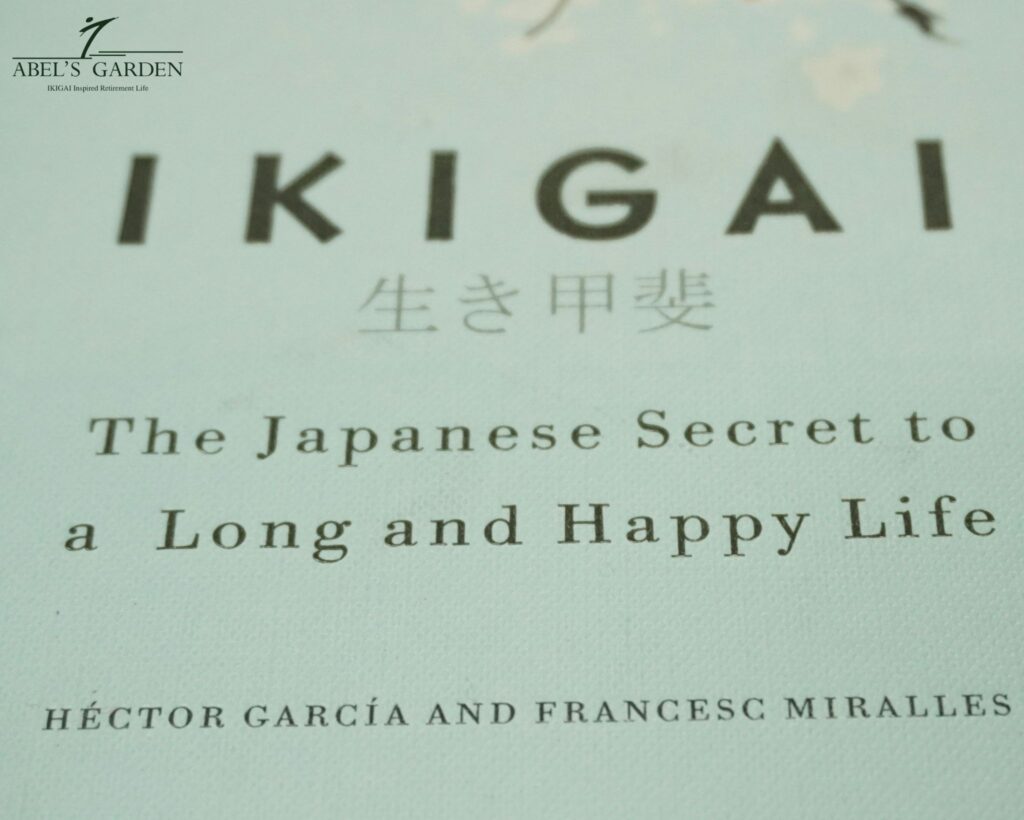
One way to look at these questions comes from Japan. Ikigai is often translated as having a “reason for being”. But it is not necessarily about finding one grand purpose in life. It is about recognising the people, passions, and everyday experiences that give your days meaning.
What Is Ikigai? The Meaning Behind the Word
The Japanese word ikigai is often translated as “a reason for being” or “a reason to live”. There is no single English translation that captures it fully. At its heart, ikigai refers to the people, activities, and experiences that give life a sense of value and make it feel worth living.
Ikigai: The Japanese word for a reason for being
The word ikigai is formed from two Japanese terms. “Iki” relates to life or being alive, while “gai” refers to worth or value. Together, they describe something that gives meaning to your life.
That is why the ikigai meaning goes beyond setting a goal for yourself. Your family, hobbies, or skills you enjoy sharing with others can all give your life meaning.
Retirement often gives you the freedom to rethink your purpose in life. Without the demands of work filling your days, you have more room to spend time on the people, interests, and activities that matter to you.
Ikigai and life in Okinawa
Okinawa is often associated with ikigai because having a sense of purpose is seen as an important part of daily life there. Other factors, including diet, physical activity, and strong social connections, also play a role in healthy ageing and longevity.
Ikigai is not the secret to longevity. Instead, Okinawa offers an example of how purpose, relationships, and meaningful activities can remain part of everyday life as we grow older.
Ikigai is not a goal. It is a way of living
Ikigai is not something you need to achieve by a certain age. What gives you purpose at 30 might be different from what matters to you at 60.
At one point in your life, your career might have given you purpose. Later, you might find purpose in family, friendships, learning, or any other interests.
The ikigai philosophy is about noticing what gives your life meaning now and making more room for it.
The Four Elements of the Ikigai Concept
One way to explore the ikigai concept is through four questions: What do you love? What are you good at? What does the world need? And what gives you a sense of fulfilment?
What you love: Finding the things you enjoy
Think about the things you genuinely enjoy doing. Perhaps you enjoy gardening, reading, cooking, music, travelling or spending time with family and friends.
Some interests stay with you for years. Others come into your life later. Retirement gives you more time to enjoy both.
What you are good at: Using your skills and experience
Your working years are not the only source of your skills. You learn from raising children, managing a home, helping friends and family, pursuing hobbies and dealing with the everyday challenges of life.
You might know how to fix things, teach, organise, listen or bring people together. Retirement gives you the chance to put that experience to use in ways you might not have considered before.
What the world needs: Finding ways to help others
Sometimes, purpose comes from being useful to someone else.
You might help a neighbour, share your experience with someone younger, volunteer in your community, or be there for a friend. These connections let you share what you know and stay involved in the lives of people around you.
What brings fulfilment: Finding your purpose in life
There is no single answer to what makes life fulfilling. Family might remain at the centre, while learning, creativity, gardening, or time with friends might matter to someone else.
It feels different when you spend that time doing things you actually enjoy. What feels meaningful to you might be very different from what feels meaningful to someone else.
Why Ikigai Philosophy Matters More After 60
Retirement changes more than just your work schedule. It changes your routine, your social circle, and the way you spend your time. The ikigai philosophy offers a way to think about meaningful living when those things begin to change.
The Three Big Challenges of Life After 60
Loss of life purpose after retirement
For years, work might have determined how you spent your time, who you met, and what you worked towards. Retirement removes much of that structure at once. You may have more free time, but not always a clear idea of what to do with it. A new routine, an old interest or a responsibility you enjoy taking on can give your days direction and restore a sense of life purpose.
Loneliness and loss of social identity
The people you saw every day at work are no longer part of your daily routine. Family and friends might also have less time as their own lives keep them busy. Gradually, your social world can become smaller. Staying connected through shared activities, friendships and community gives you a sense of belonging beyond your work identity.
Fear of declining health and vitality
Health often becomes a bigger consideration with age. You might think twice about travelling, taking up a new hobby or even going out as often as you used to. Purposeful living might look different as you get older. You might choose activities that keep you active and involved, at a pace that suits you.
How Ikigai Addresses Each of the Challenges
Retirement can leave you with more time but fewer reasons to use it. Ikigai gives you a way to bring purpose back into your routine through activities you enjoy, your skills, relationships, and involvement with others.
It does not have to mean taking on a new career or a big goal. A hobby, time with friends, learning something new, or helping others can all support purposeful living.
Why Purpose in Life is Directly Linked to Longevity: The Okinawa Evidence
Research on Japanese adults has linked purpose in life with longer life and better health. Studies have also found associations between ikigai and lower risks of health problems such as disability and dementia.
Ikigai is not the only factor in healthy ageing. Lifestyle, health, and social connections also play a role.
How to Find Your Ikigai: A Practical Guide
Finding your ikigai does not have to involve a major change. Start by thinking about what you enjoy, what you are good at, and what you would like to spend more time doing.
Questions to help you discover your purpose in life
You do not need to answer a big question like “What is the meaning of life?” all at once. Start with smaller questions. What makes you happy? What do you miss doing? What are you good at? Who do you enjoy spending time with? Is there something you would like to learn or try?
Your answers might give you a better idea of what matters to you.
Starting small: Ikigai is found in everyday moments
Your ikigai does not have to come from a major goal. A morning walk, time in the garden, meeting a friend, or an hour spent on a hobby can all give your day meaning.
Sometimes, the things you look forward to each day are what make life feel meaningful.
How meaningful living looks different for everyone
A meaningful life will not look the same for everyone. You might enjoy being around people, while someone else feels happiest reading a book, working in the garden, or spending time with family.
There is no right way to live a meaningful life. What feels meaningful to you might be very different from what feels meaningful to someone else.
The role of community in purposeful living
Purpose is often connected to the people around you. A shared meal, a conversation, a group activity, or helping someone gives you a reason to stay connected.
Being part of a community also creates more opportunities for purposeful living, especially when your daily routine changes after retirement.
Ikigai in Action: What Purposeful Retirement Looks Like
Moving from Routine to Meaning
Retirement changes the way you spend your day. Instead of following a work schedule, you have more freedom to decide what you want your time to look like.
A morning walk, time in the garden, a book, a hobby, or meeting friends can give your day a rhythm. Spending your time on things you enjoy makes that routine feel more meaningful.
Creative pursuits, mentoring, gardening and social contribution
Retirement also gives you time to return to interests you had to put aside. You might paint, grow plants, take photographs, share a skill, join clubs, or mentor someone younger.
At Abel’s Garden, residents can take part in creative workshops, gardening, mentoring and interest-based clubs, along with opportunities for community service.
How daily rituals become acts of purposeful living
Not everything meaningful has to be a planned activity. A walk through the garden, a shared meal, a regular yoga session, or time spent reading can become part of your daily rhythm.
When these simple routines give you something to enjoy and look forward to, they become part of purposeful living.
How Abel’s Garden is Built on the Ikigai Philosophy
Why Abel’s Garden chose ikigai as its founding philosophy
Abel’s Garden believes that retirement should be a time to enjoy life, stay connected, and continue doing things that matter to you. This idea comes from the Japanese philosophy of ikigai, which is at the heart of the community.
How the community is designed for purposeful and meaningful living
Life at Abel’s Garden gives residents plenty of ways to spend their time. They can take part in creative activities, gardening, walking groups, clubs and mentoring. There are also spaces to meet others, share interests and stay involved in the community.
Wellness, recreation, dining and social life: All rooted in ikigai
There is more to daily life than keeping busy. Residents have access to yoga, meditation, fitness activities, nature walks and creative pursuits. Shared meals and community activities also give residents time to meet, talk and spend time together.
A retirement community where life purpose is lived every day
At Abel’s Garden, residents have different ways to stay engaged and connected. The focus is on giving them opportunities to pursue their interests, share their skills, and spend time with others.
The idea is simple. Retirement is a chance to keep doing things you enjoy, stay connected with others, and make time for what matters to you.
Conclusion: Your Ikigai Is Not Behind You
Meaningful living is not reserved for the young. Your interests and priorities might change as you get older, but the things that give your days value can change with you too.
Life after 60 can be a chance to spend more time on what matters to you. You might return to an old hobby, learn something new, spend more time with family and friends, or share the skills you have built over the years.
That is what makes ikigai relevant at this stage of life. It is not about finding one perfect purpose. It is about having people, interests, and activities that make your days feel worthwhile.
At Abel’s Garden, this approach to retirement is reflected in everyday life. Residents have opportunities to pursue their interests, share their skills, spend time with others, and stay connected through activities and community life.
Your ikigai is not behind you. It can be part of what comes next.
Share :