
What does a fulfilling retirement look like?
For some, it means finally having time for the hobbies that were always pushed aside. For others, it means slowing down, staying close to loved ones, and enjoying the comfort of a simpler routine. Many hope for a life with fewer responsibilities and more room for the things that bring them happiness.
As families begin exploring living options for older adults, they often come across terms such as retirement home, senior living community, and old age home. At first glance, these may seem similar. Yet each offers a very different experience, shaped by varying levels of independence, support, community involvement, and lifestyle opportunities.
A better understanding of these options can make the decision easier. Let’s look at what sets retirement homes, senior living communities, and old age homes apart.
Why the Terminology Matters
When families start looking at senior living types in Kerala options, they usually come in with a strong opinion about what they want or what they want to avoid. A lot of that comes down to the words themselves. In India, “old age home” carries a specific image: institutional, last-resort, somewhere you send a parent when there’s no other option. “Retirement home” sounds softer but doesn’t say much. “Senior living community” sounds modern but can easily read as a sales pitch. Because these labels get used so loosely, families end up ruling out options that might have worked for them, or pursuing ones that turn out to be a poor fit.
How Misconceptions Stop Families from Making the Right Choice
The most common assumption is that all three are basically the same thing, just described differently. A family that has a bad experience with one type, or a strong association with it, may write off organised senior living altogether. That means someone who would do well in a good senior living community never gets there, because the search started on the wrong foot. It works the other way too — families sometimes choose a retirement home expecting full-time support, and find themselves caught off guard when care needs increase. The terminology shapes real decisions, at a stage of life when those decisions matter.
Retirement Home vs Old Age Home in India: What Sets Them Apart?
For a long time, the assumption in India was simple: ageing parents live with their children. That is changing, not because families care less, but because life has made it harder. Children are working in different cities, urban homes are smaller, schedules are busier. Meanwhile, the generation retiring today is more financially independent and more willing to consider options outside the traditional family setup. They want a decent standard of living, some social life, and the reassurance that medical help is close by if needed. That demand has pushed the market to grow. Purpose-built senior communities with proper amenities and care infrastructure are no longer rare in Indian metros.
An old age home provides a safe and supportive environment for older adults who need assistance with everyday living.
For many Indians, an old age home remains the option families consider when living independently is no longer practical. Daily care, supervision, and support take precedence over lifestyle amenities or social programming.
Some seniors may also find themselves without adequate family support. The primary focus of an old age home is care and support. Residents receive help with daily routines while living in a community setting where their basic needs are looked after.
For many families, old age homes still carry an emotional stigma. They are often viewed as a place seniors move to only when there are no other options available. While this perception is gradually changing, many people continue to associate old age homes with dependency rather than choice. The level of independence and lifestyle opportunities can also be more limited when compared to retirement homes or senior living communities.
What Is a Retirement Home?
Retirement is often imagined as a time to slow down and enjoy life at a more comfortable pace. It is a stage when many people want fewer responsibilities and more time for the things they genuinely enjoy. A retirement home is designed to support that lifestyle.
Residents live independently in private homes or apartments while having access to services that remove many of the everyday burdens of maintaining a household. The goal is not to provide constant care but to create a comfortable and convenient environment where seniors can continue living life on their own terms.
The difference lies largely in independence and choice. Retirement homes are intended for seniors who can manage their daily lives without significant assistance. Residents enjoy privacy, freedom, and a lifestyle focused on comfort. Old age homes generally place greater emphasis on care and support for individuals who need help with everyday activities.
As people enter their later years, many begin looking for something more than just a home. They want opportunities to stay active. They want meaningful friendships. They want to continue learning, exploring interests, and enjoying life with a sense of purpose. A senior living community is built around these aspirations.
These communities combine independent living with opportunities for wellness, engagement, and social connection. The focus is not simply on where seniors live but on how they live.
A senior living community is about creating a fulfilling lifestyle. Residents have opportunities to build friendships, pursue hobbies, stay physically active, and remain engaged with the world around them. There is a sense of community that many people miss when living alone. For many seniors, that feeling of belonging becomes one of the most valuable aspects of community living.
The right choice often depends on what a senior needs at this stage of life. Some people prioritise care and support. Others value independence, convenience, or an active social environment. Looking at these options side by side can make the differences easier to understand.
Factor | Old Age Home | Retirement Home | Senior Living Community | |
Ownership | Usually operated by charitable organisations, trusts, NGOs, or private providers | Typically managed by private operators | Usually developed and managed by specialised senior living providers | |
|
| High level of independence | High level of independence with access to support when required | |
| Basic accommodation, meals, and care services | Private residences, housekeeping, dining, security, and recreational facilities | Comprehensive amenities including wellness centres, fitness facilities, hobby spaces, dining options, and community areas | |
| Social interaction varies by facility |
| Strong focus on community engagement, social connections, and shared experiences | |
| Generally the most affordable option | Moderate to premium depending on location and services | Premium pricing due to lifestyle amenities and integrated services | |
| Providing care, support, and accommodation | Supporting independent and comfortable retirement living | Enabling an active, engaging, and fulfilling lifestyle in later years |
Few decisions carry as much emotional weight as deciding where to spend the later years of life. Every family wants the same thing at its heart. Comfort. Security. Happiness. Most importantly, they want their loved ones to continue living with dignity and purpose.
The right choice is not always the most expensive option or the one with the longest list of amenities. It is the one that feels right for the individual. A place where they can continue enjoying life in a way that reflects their needs, personality, and aspirations.
Before making a decision, it can help to pause and ask a few important questions:
What Makes Abel’s Garden Different?
The idea for Abel’s Garden took shape from a simple observation. Growing older does not diminish the desire for connection, belonging, or a reason to look forward to tomorrow. Many retirement spaces provide comfort and care, yet few are built around the belief that life can continue to expand in meaningful ways long after retirement.
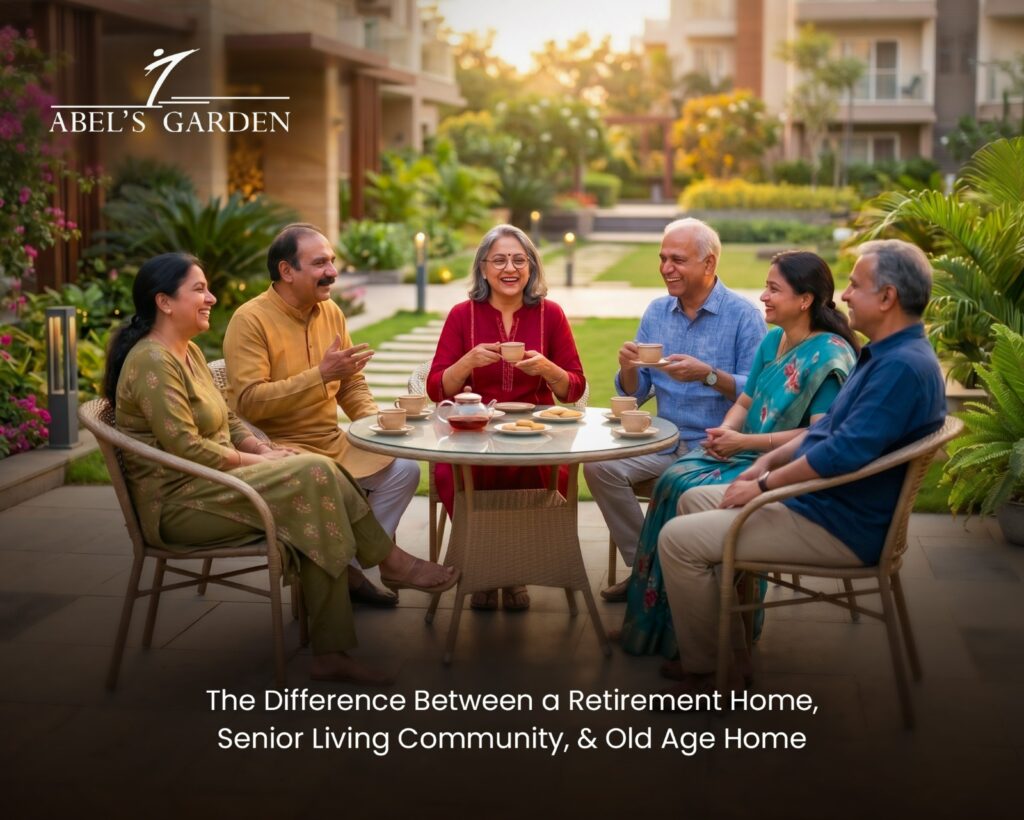
Inspired by the philosophy of Ikigai, Abel’s Garden was envisioned as a place where each day carries a sense of possibility. Set amidst the natural surroundings of Thodupuzha, the community brings together privately owned villaments, inviting shared spaces, and a landscape designed to slow the mind and soothe the senses. Residents can spend their mornings walking beneath the trees, share stories over a cup of tea, revisit old interests, or discover new ones. Life moves at a gentler pace here, leaving room for the moments that often get overlooked during busier years.
The conversation around ageing is changing. More families today are looking beyond traditional assumptions and asking what kind of environment will help their loved ones live well in the years ahead. The answer is rarely the same for everyone. Some seniors need greater support. Others seek independence, companionship, or the opportunity to remain active and engaged.
Whatever the choice, the goal remains the same: finding a place where life continues to feel meaningful. A place where familiar comforts are close at hand, new friendships can take root, and each day holds something to look forward to. After all, retirement is not simply about where a person lives. It is about how they choose to spend this next chapter of life.
Share :